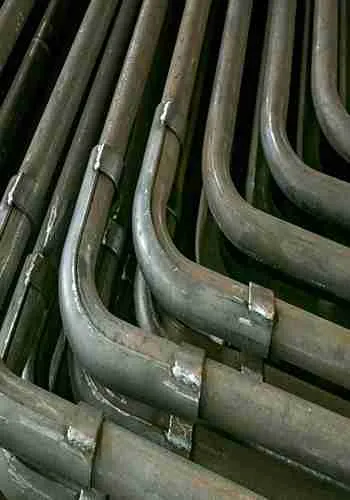
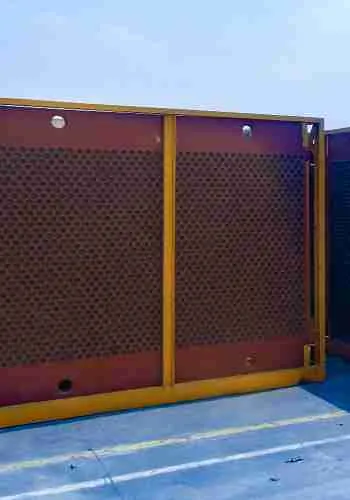
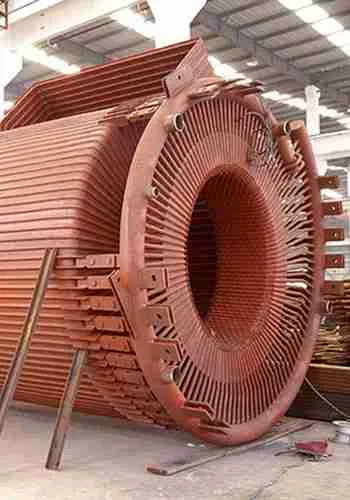
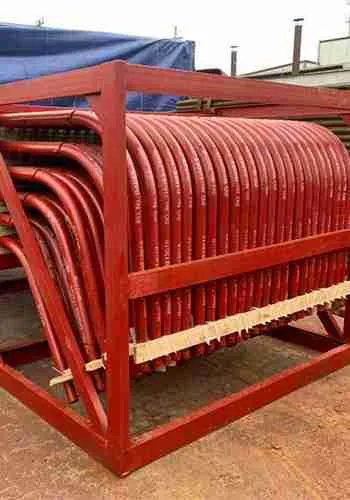
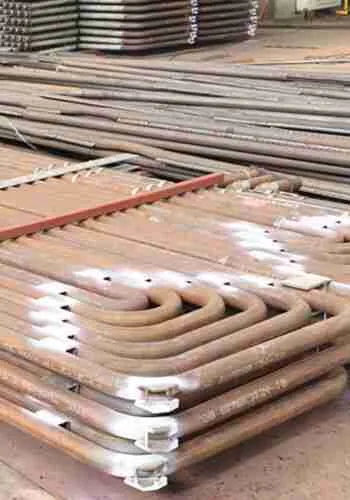
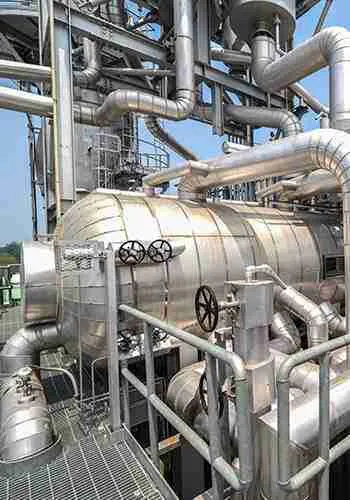
Firetube boilers (also known as shell boilers) work on the principle that flue gas flows inside the tubes while water circulates outside the tubes for heat exchange. They feature compact structure, large heat storage capacity, good load adaptability, low waterquality requirements, simple maintenance and low cost. Restricted by structural design, they are only suitable for mediumandlowpressure conditions with smalltomedium evaporation capacity, and are widely adopted for heating and process heat supply in various smallandmediumscale scenarios.
1. Civil and Commercial Heating
This is the most common application scenario, wellsuited for lowtemperature and lowpressure heating with large load fluctuations. They are mainly used for winter heating and domestic hotwater supply in residential communities, schools, hotels and hospitals. Capable of stably supplying clean lowpressure steam at 0.31.0 MPa, they meet the 24hour continuous heat demand for medicaldevice sterilization and equipment cleaning in medical facilities, with flexible startstop performance and low operationandmaintenance costs.
2. Process Heat Supply for Light Industry
Matching routine processsteam requirements of ≤1.0 MPa, firetube boilers are widely used in lightindustry production. In the food industry, they provide heat for cooking, sterilization and drying. In textile printing and dyeing, stable steam is used for setting, drying and preshrinking to reduce defective products. For wood processing, they regulate temperature and humidity in drying kilns. In dailychemical plants, they support rawmaterial heating and constanttemperature reactions. Multifuel switching is available to support energysaving offpeak production.
3. Special Mobile and Auxiliary Applications
With compact size, antivibration performance, stable heat storage and low failure rate, firetube boilers adapt to harsh operating environments. They are commonly used as marine auxiliary boilers to supply heat for cabin heating, domestic hot water, fueloil preheating and deckequipment thermal insulation. They resist operating fluctuations at sea and are less prone to dryburning failures. Mobile units are also deployed for temporary heating and equipment deicing in field operations, featuring convenient installation and fast startup.
4. SmallScale Industry and Distributed Energy Systems
Meeting thermal demands of smallandmediumsized factories and remote industrial parks, they supply heat for reactor heating, material drying and pipeline heat tracing in finechemical, buildingmaterial and rubberplastic industries. They occupy small footprint, allow fast installation and lower commissioning costs. Combined with wasteheat recovery systems, they support combined heatandpower supply and coolingheating cogeneration. Biomassfired firetube boilers can utilize agricultural and forestry residues for energysaving and cost reduction with high versatility.
5. Application Principles and Prohibitions
Application limit: Only for mediumandlowpressure services with pressure ≤1.6 MPa and evaporation capacity ≤20 t/h. Not applicable for highpressure industrial processes or largescale powerstation conditions.
O&M advantages: Only softened water is required; complicated watertreatment facilities are unnecessary. Routine work mainly includes soot cleaning and tightness inspection with low maintenance workload.
Prohibitions: Shall not be used for highpressure pressurebearing processes or core sections of highhazard chemical processes. Due to large water inventory and high explosion energy potential, mandatory annual inspection and safetyvalve calibration must be implemented.
6. Development Trend
Modern firetube boilers have achieved lownitrogen emission and intelligent upgrading. Equipped with wasteheat recovery and variablefrequency control systems, their thermal efficiency is greatly improved. Intelligent functions such as auto startstop, load regulation and fault alarm enable refined and energysaving heat supply, making firetube boilers the preferred equipment for smallandmediumscale thermaldemand scenarios.