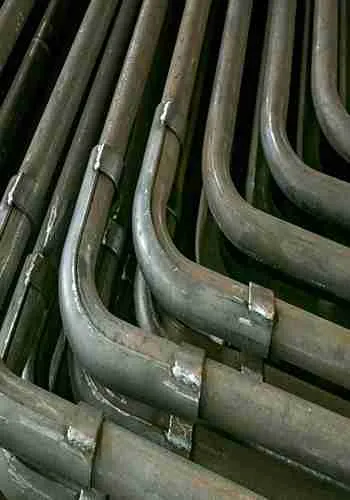
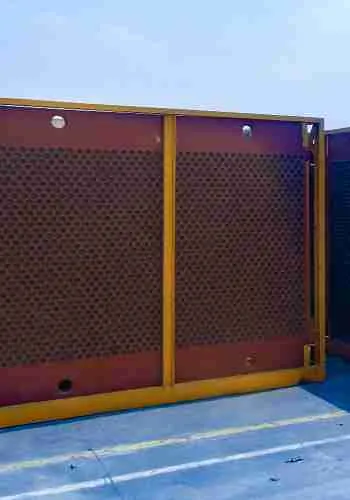
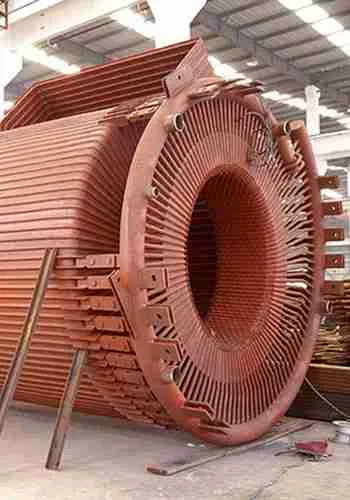
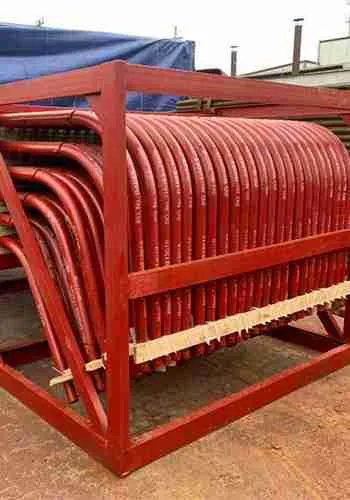
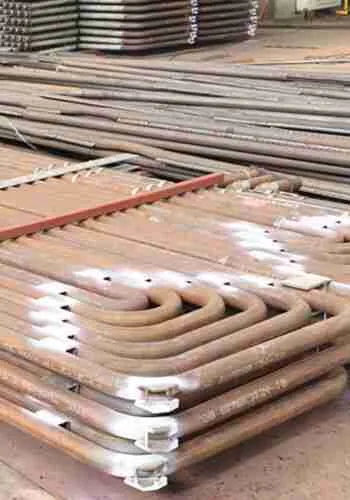
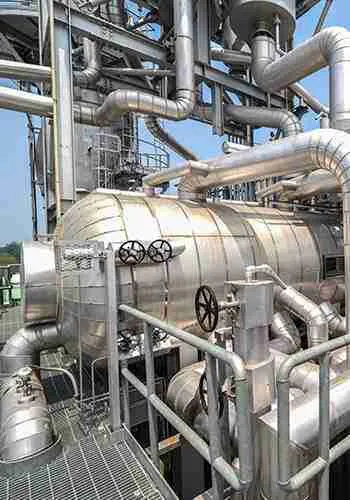
The economizer is a core heat exchange device that recovers waste heat from boiler flue gas to heat feed water, achieving energy saving and efficiency improvement. During long-term operation, the equipment is prone to fouling, abrasion, corrosion, leakage and other faults. Standardized maintenance ensures stable boiler operation, reduces energy consumption, and extends the service life of the equipment. The key standardized maintenance points are summarized as follows.
I. Daily Inspection and Maintenance (Per shift / Per day)
Daily inspection focuses on real-time parameter monitoring, structural defect investigation and auxiliary equipment verification to predict and eliminate potential hazards in advance.
1. Operation Parameter Monitoring
Record the inlet and outlet feed water temperature, water pressure, flue gas temperature, flue gas differential pressure and feed water flow rate of the economizer every shift, and closely monitor parameter fluctuations. A rise of more than 15% in flue gas differential pressure compared with the normal value indicates severe tube fouling and blockage, which requires timely ash cleaning. Maintain the outlet water temperature at least 30°C lower than the saturation temperature under the corresponding pressure to prevent in-tube vaporization and water hammer. Keep the flue gas exhaust temperature 15–20°C higher than the flue gas acid dew point to avoid low-temperature acid corrosion.
2. Equipment Structural Inspection
Daily inspect key components including tube bundles, welding joints, headers, elbows and fin tubes for abrasion, corrosion, deformation and leakage. Ensure anti-abrasion guards, hangers and sealing structures are intact and firmly fixed. Promptly seal furnace wall gaps to eliminate flue gas short-circuit and local intensified tube abrasion caused by excessive flue gas scouring.
3. Auxiliary Equipment Inspection
Verify normal operation of ash blowing devices with unblocked nozzles and no air leakage or abnormal vibration. Acoustic ash blowing is preferred to reduce mechanical damage to tube bundles. Ensure inlet and outlet valves, blowdown valves are free from internal and external leakage, and all temperature and pressure measuring instruments display accurate and valid data.
II. Periodic Maintenance by Cycle
Hidden defects are eliminated and heat exchange performance is restored through hierarchical monthly, quarterly and annual maintenance.
1. Monthly Maintenance
Sort out operation parameter records and analyze the changing trends of fouling, abrasion and corrosion. Inspect, adjust and debug the ash blowing system and unclog nozzle pipelines. Perform regular micro-blowdown to discharge internal impurities and rust and prevent tube scaling and blockage.
2. Quarterly Maintenance (1–3 months)
Remove loose ash deposits by acoustic ash blowing and mechanical vibration. For hard and stubborn fouling, adopt circulating cleaning with alkaline solution at 60–70°C and pH 8–9, and thoroughly rinse with clean water to eliminate residual solution. Fully inspect tube bundles for abrasion and corrosion, mark defective positions and track wear changes.
3. Annual Boiler Shutdown Overhaul
Carry out comprehensive in-depth maintenance after boiler shutdown: thoroughly remove internal and external ash, scale and rust via high-pressure water flushing and chemical pickling; perform neutralization and passivation after pickling to prevent secondary corrosion. Test tube wall thickness and welding quality, and replace tubes with excessive abrasion, corrosion or deformation. Overhaul and reinforce anti-abrasion guards, hangers and sealing structures, and repair furnace walls. Calibrate all monitoring instruments and conduct anti-corrosion treatment on steel structures.
III. Prevention and Treatment of Common Faults
1. Fouling and Blockage Prevention
Adjust ash blowing frequency reasonably according to boiler load and fuel quality, and increase blowing frequency under high-dust and high-sulfur fuel conditions. Optimize combustion and control the air excess coefficient within 1.1–1.2 to reduce fouling caused by incomplete combustion, lower flue gas resistance and ensure heat exchange efficiency.
2. Low-Temperature Corrosion Prevention
Increase feed water temperature and adopt hot air recirculation to ensure the tube wall temperature is higher than the flue gas acid dew point. Strictly control fuel sulfur content to reduce the generation of acidic gas. For old equipment, adopt ND steel or apply ceramic anti-corrosion coating on low-temperature section tubes to improve corrosion resistance.
3. Tube Wall Abrasion Prevention
Keep anti-abrasion guards intact and replace damaged parts in a timely manner. Seal flue gas leakage gaps to balance flue gas flow velocity. Prohibit boiler overloaded operation to reduce fly ash scouring and abrasion on tube bundles.
4. Leakage Prevention and Treatment
Control the temperature rise and fall rate strictly during boiler startup and shutdown (temperature rise ≤ 50°C/h) to avoid thermal stress damage to tubes. Focus on inspecting weak parts such as welding joints, elbows and headers, and perform timely repair welding for minor leakage. Eliminate overpressure, water hammer and other abnormal operating conditions.
IV. Special Maintenance During Boiler Shutdown
1. Short-term Shutdown (Within 7 Days)
Adopt wet maintenance: keep the tubes fully filled with water mixed with corrosion inhibitors, close all valves for airtight pressure maintenance to isolate air and prevent tube wall oxidation and corrosion.
2. Long-term Shutdown (More Than 7 Days)
Adopt dry maintenance: completely drain accumulated water and dry the tube walls with compressed air. Fill the tubes with nitrogen under slight positive pressure if conditions permit to isolate humid air, and inspect equipment corrosion regularly.
V. Safety Operation and Management Specifications
Check pipeline and valve conditions before startup, fill water and exhaust air to avoid internal air trapping. Adjust boiler load stably during operation to prevent drastic parameter fluctuation. Cool down and depressurize gradually during shutdown and avoid sudden cooling and heating. Standardize personnel operation and establish complete equipment maintenance records covering inspection, ash cleaning, overhaul and parts replacement, so as to realize full-life traceable management and ensure long-term safe and economical operation of the unit.